Pocket Hole Screw Size Guide: A Comprehensive Overview (Updated 02/10/2026)
Kreg offers screws in six lengths‚ ranging from ¾” to 2 ½”․ Selecting the correct screw length is crucial for strong joints; a chart assists in application choices․
Understanding Pocket Hole Joinery
Pocket hole joinery is a woodworking technique that creates strong‚ hidden joints using angled screws․ This method simplifies assembly‚ often completing it in a single operation combining both pocket and pilot holes․ A specialized jig drills both the pocket and a pilot hole simultaneously‚ ensuring alignment for the screw․
The beauty of this system lies in its accessibility; it’s ideal for both beginners and experienced woodworkers․ It’s particularly useful for projects like face frames‚ cabinets‚ and furniture where a clean‚ fastener-free appearance is desired․ The technique relies on the principle of drawing two pieces of wood together with a self-tapping screw inserted at an angle․
Proper screw selection is paramount for joint integrity․ Using the correct length and gauge ensures a secure hold without compromising the wood’s structural integrity․ This guide will delve into the nuances of screw sizing‚ helping you achieve professional-quality results every time․
What are Pocket Hole Screws?
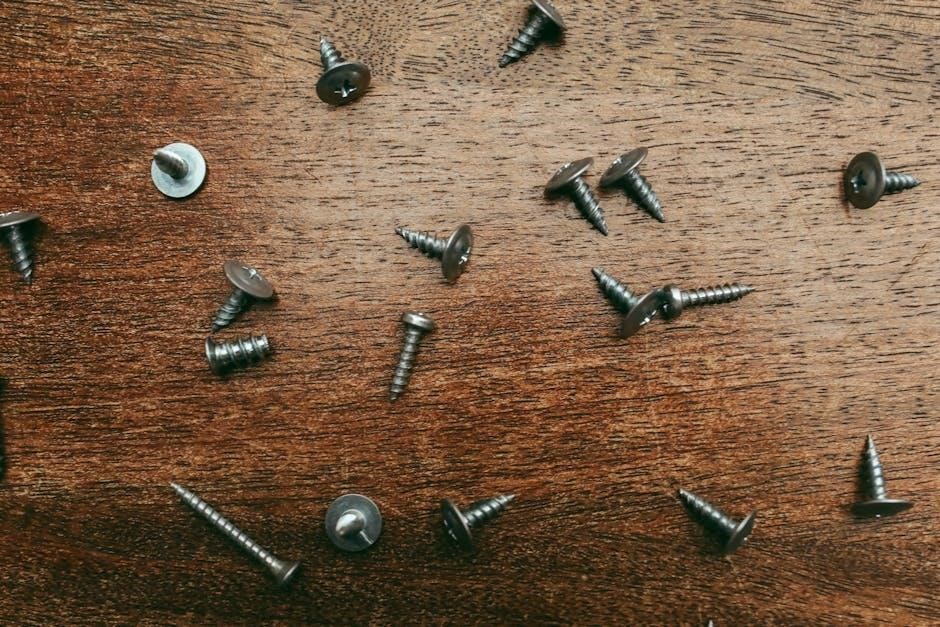
Pocket hole screws are specifically designed self-tapping screws used with pocket hole joinery․ Unlike standard wood screws‚ they possess a unique thread pattern and head geometry optimized for angled insertion and maximum holding power․ These screws feature a self-tapping design‚ eliminating the need for pre-drilling in most applications‚ streamlining the building process․
They typically have a flat head that sits flush within the pocket hole‚ creating a clean finish․ Available in various lengths and gauges‚ selecting the appropriate screw is vital for a robust joint․ Kreg is a leading manufacturer‚ offering screws ranging from ¾” to 2 ½” in length․
The screws’ threads are engineered to bite firmly into the wood fibers‚ resisting pull-out․ Different thread types – coarse and fine – cater to varying wood densities and material thicknesses‚ ensuring optimal performance across diverse projects․ Choosing the right screw guarantees a strong‚ lasting connection․
Screw Length Selection: The Core Principle
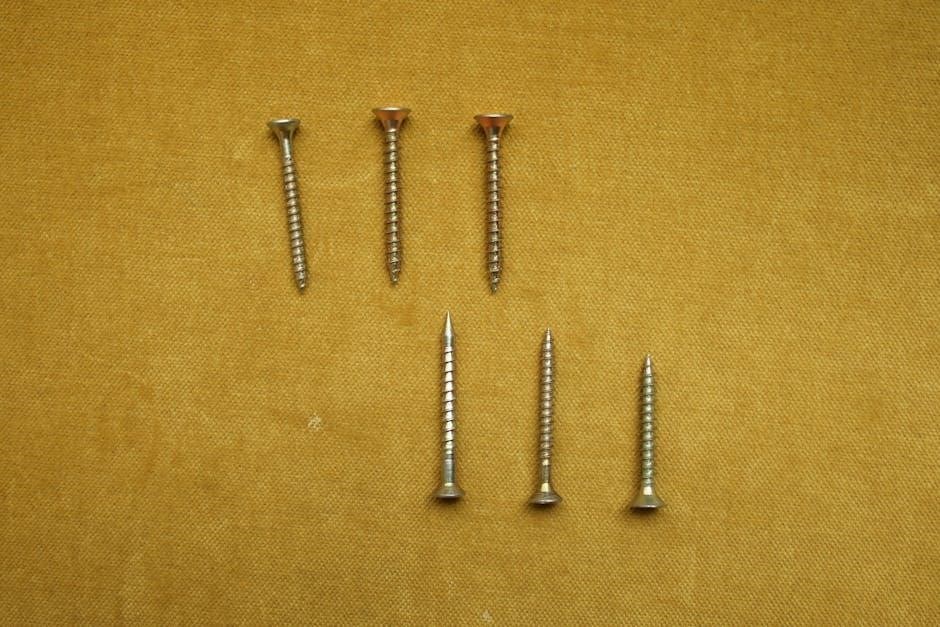
The fundamental principle of pocket hole screw length selection revolves around matching the screw’s length to the combined thickness of the materials being joined․ The goal is to ensure sufficient thread engagement for a strong hold without protruding through the material․ A screw that’s too short will lack holding power‚ while one that’s too long weakens the joint and creates a visible‚ unsightly exit point․
Generally‚ it’s recommended to select a screw length that penetrates at least half the thickness of the second workpiece․ Kreg‚ a prominent manufacturer‚ suggests 1 ¼” screws for joining ¾” materials․ Accurate measurement of the total material thickness is paramount for optimal results․
Consider the wood type; softer woods may require slightly longer screws for equivalent holding power․ Always consult a screw length chart for guidance‚ and when in doubt‚ test with scrap pieces to confirm proper length and avoid potential issues․
Kreg Screw Length Chart
Kreg provides a comprehensive screw length chart to simplify selection‚ offering screws in six common lengths․ Here’s a breakdown to guide your projects:
- ¾” Screw: Ideal for joining materials totaling ¾” in thickness․
- 1 ¼” Screw: Best suited for ¾” materials‚ providing excellent holding power․
- 1 ½” Screw: Recommended for joining materials around 1” to 1 ¼” thick․
- 2” Screw: Perfect for 1 ½” thick materials‚ offering robust joint strength․
- 2 ½” Screw: Designed for thicker materials‚ up to 2 ¼” in combined thickness․
This chart serves as a starting point; always consider wood density and specific project requirements․ Remember to test with scrap wood to verify the chosen screw length provides a secure‚ flush connection․ Kreg’s self-tapping screws ensure efficient assembly․
Material Thickness and Screw Length Correlation
Establishing a direct correlation between material thickness and screw length is paramount for successful pocket hole joinery․ Insufficient length compromises joint strength‚ while excessive length risks screw protrusion․ Generally‚ the screw length should penetrate at least half the thickness of the second workpiece․
For instance‚ when joining ¾” materials‚ a 1 ¼” screw is frequently recommended; For 1” materials‚ a 1 ½” screw provides optimal hold․ Thicker stock‚ like 1 ½” material‚ benefits from a 2” screw․ Always prioritize a screw that fully engages both pieces without completely passing through․
Consider wood type; softer woods may require slightly longer screws for equivalent holding power․ Testing on scrap pieces is crucial to confirm proper screw length before final assembly․
Joining 3/4″ Materials
When connecting two pieces of ¾” thick material using pocket hole joinery‚ a 1 ¼” pocket hole screw is generally the ideal choice․ This length provides sufficient penetration into the receiving wood to create a robust and reliable joint․ It strikes a balance‚ avoiding screw protrusion while ensuring adequate holding power․
However‚ wood species can influence this recommendation․ Softer woods like pine might benefit from slightly longer screws‚ perhaps 1 ⅜”‚ to compensate for reduced thread engagement․ Conversely‚ harder woods like maple may perform well with the standard 1 ¼” length․
Always test the joint on scrap material before committing to the final assembly․ Ensure the screw head sits flush or slightly below the surface‚ and there’s no visible breakthrough on the opposite side․
Joining 1″ Materials
For pocket hole joints involving 1” thick materials‚ a 1 ½” screw length is typically recommended․ This provides ample thread engagement to securely fasten the pieces together‚ creating a strong and lasting bond․ It’s a versatile length suitable for a wide range of woodworking projects․
As with ¾” materials‚ wood density plays a role․ Softer woods may benefit from a 1 ⅝” screw for enhanced grip‚ while harder woods generally perform well with the standard 1 ½” length․ Consider the specific application and load-bearing requirements․
Testing on scrap wood is crucial․ Verify that the screw doesn’t protrude and that the joint feels solid․ Proper clamping during assembly is also essential for optimal results and a clean‚ professional finish․
Joining 1 1/2″ Materials
When connecting 1 ½” thick materials using pocket hole joinery‚ a 2” screw length is generally the ideal choice․ This length ensures sufficient thread penetration for a robust and reliable connection‚ capable of withstanding significant stress․ It’s a common size for framing and larger woodworking assemblies․
However‚ material density remains a factor․ For softer woods like pine‚ a 2 ¼” screw might offer increased holding power․ Conversely‚ with dense hardwoods such as maple or oak‚ the 2” screw usually provides adequate strength without risk of splitting․
Always pre-drill pilot holes‚ especially in hardwoods‚ to prevent splitting․ Proper clamping is vital for a tight‚ flush joint․ Remember to test the screw length on scrap material before committing to the final assembly․
Screw Gauge (Diameter) Options
Pocket hole screws aren’t just differentiated by length; their gauge‚ or diameter‚ also plays a critical role in joint strength․ Common gauges include #6‚ #8‚ and #10‚ with #8 being the most frequently used for general woodworking applications․ A larger gauge provides greater shear strength‚ ideal for heavier-duty projects․
#6 screws are suitable for softer woods and smaller projects where excessive strength isn’t required․ #10 screws offer maximum holding power but demand more force to drive and are best reserved for thick‚ dense materials․ Selecting the appropriate gauge depends on the wood type and the anticipated load․
Kreg screws typically utilize a consistent diameter within each length category‚ simplifying the selection process․ Always consider the material’s density when choosing a gauge to avoid splitting or stripping the screw head․
Coarse vs․ Fine Thread Screws
The thread pattern of a pocket hole screw significantly impacts its performance․ Coarse thread screws are designed for softer woods‚ providing aggressive bite and faster driving․ They excel in materials like pine or fir‚ where holding power is paramount․ Conversely‚ fine thread screws are better suited for hardwoods like maple or oak․
Fine threads reduce the risk of splitting dense wood fibers‚ offering a cleaner‚ more secure connection․ They require slightly more torque to drive but provide superior holding strength in resistant materials․ Kreg generally recommends fine thread screws for hardwoods exceeding ¾” thickness․
Choosing the correct thread type ensures optimal joint integrity and prevents damage to the wood․ Consider the wood’s density and the project’s structural demands when making your selection․
Kreg Screw Types and Applications
Kreg offers a variety of pocket hole screws tailored to specific needs․ Standard pocket hole screws are ideal for most joinery applications‚ covering a wide range of wood thicknesses and project types․ These screws feature a self-tapping design and a bugle head for clean countersinking․
For thicker materials exceeding the capacity of standard screws‚ Kreg Confirmat screws provide enhanced strength and holding power․ These screws are particularly useful in furniture construction and larger projects requiring robust joints․ They feature a unique thread pattern and a flat head for a flush finish․
Selecting the appropriate screw type ensures optimal performance and durability․ Consider the material thickness‚ joint requirements‚ and desired aesthetic when choosing between standard and Confirmat screws․
Standard Pocket Hole Screws
Standard Kreg pocket hole screws are the workhorses of the system‚ designed for a vast majority of woodworking projects․ They excel in joining face frames‚ building cabinets‚ and assembling furniture where a strong‚ concealed joint is desired․ These screws boast a self-tapping design‚ eliminating the need for pre-drilling in most softwoods and many hardwoods․
The bugle head geometry is a key feature‚ meticulously engineered to countersink cleanly without damaging the wood surface․ Available in lengths from ¾” to 2 ½”‚ they accommodate various material thicknesses․ Choosing the correct length‚ guided by material thickness charts‚ is vital for optimal joint strength and preventing screw protrusion․
These screws are commonly used with Kreg jigs and are available in various quantities to suit project needs‚ making them a versatile and essential component of any woodworker’s toolkit․

Confirmat Screws for Thicker Materials
Confirmat screws represent a robust solution when standard pocket hole screws fall short‚ specifically for joining thicker materials – generally exceeding 1 ½ inches․ These screws feature a unique‚ flat head and a coarser thread pattern‚ providing exceptional holding power in substantial wood assemblies․
Unlike standard screws‚ Confirmat screws require a clearance hole drilled before driving‚ ensuring proper alignment and preventing wood splitting․ This two-step process‚ while slightly more involved‚ yields a significantly stronger and more reliable joint in thicker stock․ They are particularly well-suited for projects like timber framing or constructing heavy-duty shelving․
Available in longer lengths and larger diameters‚ Confirmat screws offer the necessary strength and stability for demanding applications where standard pocket hole joinery might compromise structural integrity․ They are a valuable addition to a woodworker’s arsenal․
Pocket Hole Jig and Screw Compatibility
Ensuring compatibility between your pocket hole jig and the screws you select is paramount for achieving strong‚ clean joints․ While Kreg jigs are renowned for their versatility‚ understanding specific screw requirements for each jig model is crucial․ Different jigs accommodate varying screw lengths and diameters․
Generally‚ Kreg jigs are designed to work seamlessly with Kreg-branded screws‚ guaranteeing optimal performance․ However‚ some users successfully employ screws from other manufacturers‚ provided they match the correct length‚ gauge‚ and thread type․ Always consult your jig’s manual for recommended screw specifications․
Using incompatible screws can lead to issues like stripping‚ wood splitting‚ or weak joints․ Prioritize using screws specifically designed for pocket hole joinery to maximize the jig’s effectiveness and ensure long-lasting results․ Proper compatibility translates to professional-quality woodworking․
Drill Bit Size for Pilot Holes
Selecting the appropriate drill bit size for pilot holes is vital when using pocket hole screws‚ especially in hardwoods or when preventing wood splitting․ While pocket hole jigs often drill both the pocket and pilot hole simultaneously‚ understanding the correlation between screw size and drill bit diameter is beneficial․

A chart correlating fastener sizes with recommended drill bit sizes is an invaluable resource․ Generally‚ for smaller screws (like 3/4” or 1”)‚ a smaller drill bit (1/8” or 5/64”) is suitable; Larger screws (1 1/4” and above) typically require larger drill bits (11/64” or 3/16”)․
Always test the pilot hole size on scrap wood before committing to your project․ The pilot hole should be slightly smaller than the screw’s core diameter‚ allowing the screw to self-tap without excessive force․ Using the correct drill bit size minimizes the risk of stripping the screw head or damaging the wood․
Screw Head Types and Their Impact
Pocket hole screws predominantly feature a pan head or a bugle head design․ The pan head offers a larger bearing surface‚ distributing clamping force effectively‚ and is common in standard Kreg screws․ Bugle heads‚ however‚ are specifically engineered to countersink neatly into the pocket hole without protruding‚ creating a cleaner finish․

The head’s geometry significantly impacts the screw’s performance․ A well-designed head prevents tear-out and ensures a flush or slightly recessed fit․ The head also influences the driver bit engagement; a properly sized driver bit is crucial to avoid stripping the screw head during installation․
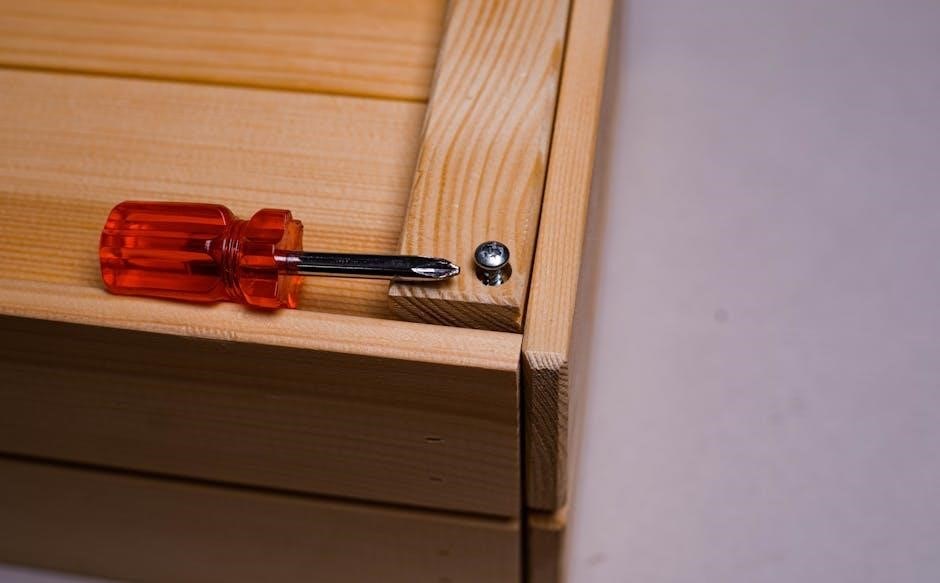
Confirmat screws‚ used for thicker materials‚ often have a flat head designed for a specific countersinking process․ Understanding these head variations allows for optimal screw selection based on aesthetic preferences and structural requirements․
Troubleshooting Common Issues
Screw stripping is a frequent problem‚ often caused by using an incorrect driver bit size or applying insufficient pressure during driving․ Ensure the bit fits snugly and maintain a consistent‚ firm force․ Wood splitting can occur‚ particularly with hardwoods or near the pocket hole’s edge․ Pre-drilling a pilot hole‚ even with the Kreg jig‚ can mitigate this risk․
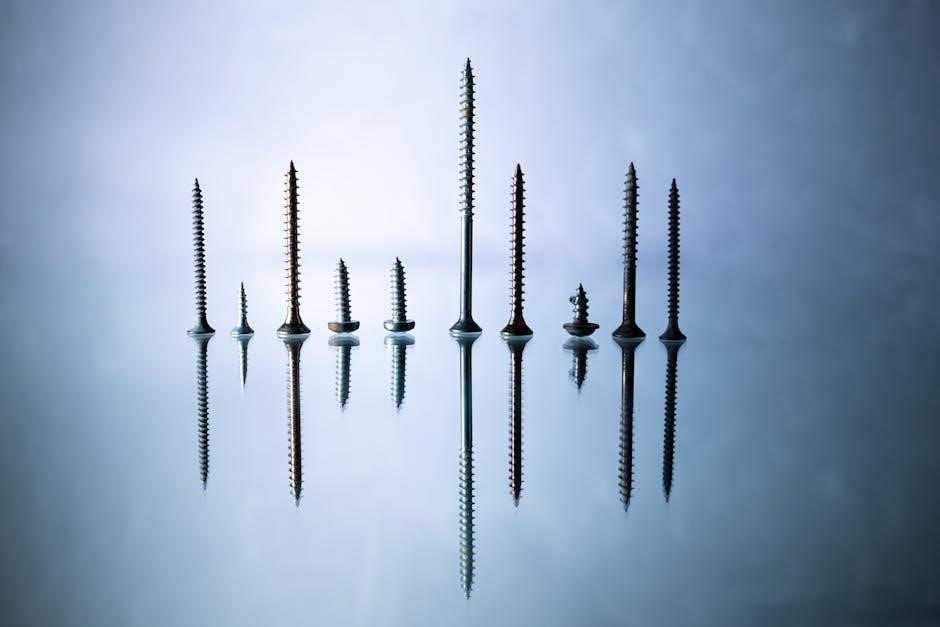
If screws consistently fail to hold‚ verify the material thickness matches the selected screw length․ Insufficient screw length compromises joint strength․ Conversely‚ excessively long screws can protrude or split the wood․ Always double-check your Kreg screw length chart․
Addressing these issues proactively ensures durable and aesthetically pleasing pocket hole joinery․ Proper technique and screw selection are paramount for successful woodworking projects;
Screw Stripping and Prevention
Screw stripping‚ where the driver bit loses its grip within the screw head‚ is a common frustration․ This often stems from using the wrong driver bit – ensure you’re using a bit specifically designed for Kreg pocket hole screws․ Insufficient downward pressure while driving the screw is another major culprit; maintain a firm‚ consistent force․
To prevent stripping‚ avoid over-tightening․ Stop driving once the screw head is flush with the surface․ Using a Kreg clamping tool helps maintain consistent pressure․ Inspect your screws for defects before use; damaged heads are prone to stripping․
If stripping occurs‚ try using a rubber band or steel wool between the bit and the screw head for added grip․ However‚ prevention is always the best approach․
Wood Splitting and Mitigation
Wood splitting during pocket hole joinery often occurs when working with dry or brittle wood‚ or when screws are driven too close to the edge of the material․ Pre-drilling pilot holes‚ even with the pocket hole jig‚ can significantly reduce this risk‚ especially with hardwoods․
Ensure your wood isn’t excessively dry; conditioning the wood with a bit of moisture can improve its flexibility․ Adjusting the depth setting on your pocket hole jig is crucial; a shallower hole reduces stress on the wood fibers․ Using Kreg’s self-tapping screws minimizes the force needed for insertion․
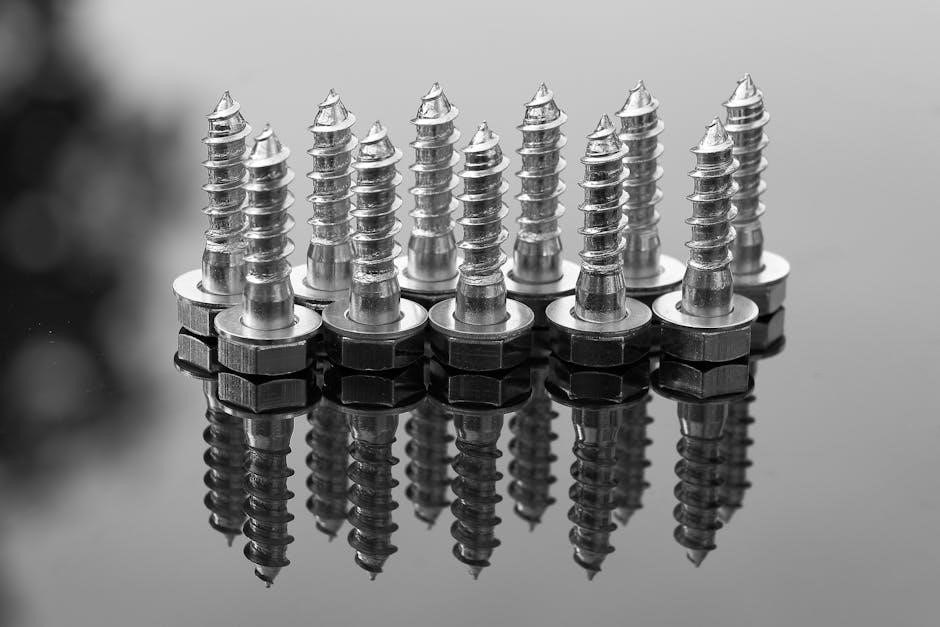
If splitting does occur‚ wood glue can help stabilize the joint․ Consider using a clamping jig to apply even pressure during glue-up․ Selecting the correct screw gauge and length‚ as per the Kreg chart‚ is also vital for preventing splits․
Resources and Further Reading
For a deeper understanding of pocket hole joinery‚ Kreg’s official website (https://www․kregtool․com/) provides extensive guides‚ videos‚ and project plans․ Numerous woodworking blogs and forums offer practical advice and troubleshooting tips from experienced users․
Websites dedicated to fastener selection‚ like those specializing in drill bit sizes correlated to fastener diameters‚ can be invaluable for optimizing your setup․ Online retailers often feature detailed product descriptions and customer reviews for Kreg screws and related accessories․
YouTube channels focused on woodworking frequently demonstrate pocket hole techniques and offer insights into screw selection․ Exploring these resources will enhance your skills and ensure successful‚ durable projects․ Remember to consult multiple sources to gain a comprehensive perspective․
Leave a Reply
You must be logged in to post a comment.