Fowlers Vacola Preserving Book PDF: A Comprehensive Guide
Fowlers Vacola books‚ often available as PDF downloads‚ detail a century of home preserving; they offer guidance from simple fruit bottling to complex chutney recipes.
Historical Context of Fowlers Vacola
Fowlers Vacola emerged in 1915‚ quickly becoming synonymous with home food preservation in Australia. The company wasn’t just selling jars; they provided a scientifically-backed system‚ a crucial element during times when food security was paramount.
The brand’s popularity surged during both World Wars and the subsequent austerity periods. Government campaigns‚ like those featuring “Mrs. B. Thrifty” in 1942‚ actively promoted Fowlers Vacola as essential for every household‚ encouraging self-sufficiency and reducing reliance on scarce resources.
These early preserving books weren’t merely recipe collections; they were instructional manuals‚ teaching generations of Australians the art and science of bottling‚ pickling‚ and jam-making. The enduring appeal of Fowlers Vacola lies in its blend of practicality and tradition.
The Rise of Home Preserving in the 20th Century
The early 20th century witnessed a surge in home preserving‚ driven by seasonal abundance and a desire to reduce food waste. Before widespread refrigeration‚ preserving was essential for extending the shelf life of fruits and vegetables.
Fowlers Vacola capitalized on this trend‚ offering a reliable and accessible method. Their system‚ detailed in accompanying books‚ moved preserving beyond simple tradition‚ introducing scientific principles for safer‚ more consistent results.
This period saw a shift from relying solely on grandmother’s recipes to understanding the ‘why’ behind the process. The availability of Fowlers Vacola equipment and instructional materials democratized preserving‚ making it a common household skill‚ particularly amongst women.
Fowlers Vacola During Wartime and Austerity
During World War II and the subsequent austerity period‚ Fowlers Vacola became a symbol of national thrift and self-sufficiency. With rationing and limited food supplies‚ home preserving wasn’t just a hobby; it was a necessity.
Government campaigns‚ like those featuring “Mrs. B. Thrifty‚” actively promoted Fowlers Vacola as a vital tool for every household. The preserving books provided detailed instructions‚ ensuring even novice preservers could contribute to the war effort and stretch limited resources.
Post-war austerity continued the trend‚ solidifying Fowlers Vacola’s place in Australian kitchens. The system offered a way to utilize garden produce and seasonal gluts‚ reducing reliance on expensive store-bought goods.
The Scientific Approach to Preserving
Fowlers Vacola distinguished itself from earlier preserving methods through its emphasis on scientific principles. The company didn’t just sell jars; they provided a system grounded in understanding heat penetration‚ vacuum sealing‚ and preventing spoilage.
Their preserving books weren’t simply collections of recipes; they explained why certain procedures were necessary. This included detailed guidance on processing times and temperatures tailored to different foods‚ ensuring safety and quality.
This scientific rigor addressed concerns about botulism and other foodborne illnesses‚ offering a more reliable method than traditional techniques. Fowlers Vacola aimed to empower home preservers with knowledge‚ transforming a folk art into a scientifically sound practice.
Understanding the Fowlers Vacola System
Fowlers Vacola utilizes specialized jars‚ lids‚ rings‚ and clips to create a vacuum seal‚ preserving food through heat processing and airtight containment.
Fowlers Vacola Jars: Types and Sizes
Fowlers Vacola jars came in a variety of sizes‚ catering to diverse preserving needs‚ from small jars ideal for jams and jellies to larger ones suited for fruits and vegetables. Common sizes included 1lb‚ 2lb‚ and larger capacity jars for bulk preserving.
The jars themselves were typically made of thick‚ durable glass designed to withstand the heat of the processing. Early editions featured a distinctive shape‚ evolving over time while maintaining the core functionality. PDF versions of Fowlers Vacola books often include detailed charts illustrating the appropriate jar size for different produce types and recipes.
Understanding the jar capacity is crucial for accurate processing times‚ ensuring a safe and effective seal. The books also detail how to identify genuine Fowlers Vacola jars and distinguish them from imitations.
Lids‚ Rings‚ and Clips: Essential Components
The Fowlers Vacola system relies on a specific set of components: glass lids‚ rubber rings‚ and metal clips. These work in harmony to create the essential vacuum seal for preserving. PDF copies of the original Fowlers Vacola books meticulously illustrate the correct placement and usage of each part.
The rubber rings‚ crucial for airtightness‚ required periodic replacement to maintain optimal sealing performance. The metal clips‚ fitted around the jar’s neck‚ securely held the lid in place during processing.
Detailed diagrams within the books demonstrate how to inspect these components for damage‚ ensuring food safety. Proper maintenance‚ as outlined in the preserving guides‚ extended the lifespan of the equipment and guaranteed successful preservation.
The Vacuum Sealing Process Explained
Fowlers Vacola’s unique vacuum sealing method‚ thoroughly explained in the preserving books and PDF guides‚ differs significantly from pressure canning. Heating the filled jars creates steam‚ which is then forced out as the jar cools‚ forming a vacuum.
The rubber ring on the lid ensures an airtight seal‚ preventing air from re-entering. PDF manuals detail the importance of proper jar filling levels to facilitate this process.
Successful sealing is indicated by the lid being firmly concave. The Fowlers Vacola books emphasize the scientific principles behind this‚ ensuring food safety and longevity. Detailed instructions and troubleshooting tips are readily available within these resources.
How Fowlers Vacola Differs from Other Methods
Fowlers Vacola‚ as detailed in numerous preserving books and PDF guides‚ employs a distinct method compared to boiling water bath canning or pressure canning. Unlike boiling water canning‚ it doesn’t rely on fully submerging jars; instead‚ it utilizes steam and vacuum sealing.
Pressure canning‚ while suitable for low-acid foods‚ isn’t necessary with Fowlers Vacola for most fruits and jams. The PDF resources highlight that Vacola focuses on creating a strong vacuum seal‚ inhibiting bacterial growth without high pressure.
This method‚ historically popular in Australia‚ offers a gentler approach‚ preserving flavor and texture‚ as explained within the comprehensive guides.
Locating a Fowlers Vacola Preserving Book PDF
Fowlers Vacola PDF books are found on online archives‚ vintage retailers‚ and dedicated download sites; exercise caution regarding file safety and reliability.
Online Archives and Digital Libraries
Numerous online archives and digital libraries represent excellent starting points for locating a Fowlers Vacola preserving book in PDF format. Websites dedicated to preserving historical documents often host scanned copies of vintage manuals and guides. These resources frequently offer free access to a wealth of information‚ including various editions of the Fowlers Vacola books.
Internet Archive is a particularly valuable resource‚ boasting a substantial collection of digitized books and publications. Additionally‚ explore university library websites and digital collections‚ as they sometimes include historical home economics materials. Remember to utilize specific search terms like “Fowlers Vacola‚” “preserving‚” “bottling‚” and “PDF” to refine your search results. Be prepared to navigate through potentially large datasets‚ but the effort can yield rewarding discoveries of these treasured preserving guides.
Vintage Book Retailers and Auctions
For those seeking a physical copy‚ or a high-quality scan sourced from an original‚ vintage book retailers and online auctions are valuable avenues. Many specialist booksellers focus on antique and collectible publications‚ frequently stocking Fowlers Vacola preserving books. Websites like Abebooks and Biblio aggregate listings from numerous independent booksellers‚ offering a broad selection.
Online auction platforms‚ such as eBay‚ regularly feature Fowlers Vacola books‚ often at competitive prices. However‚ carefully examine the book’s condition and the seller’s reputation before bidding. Consider the cost of shipping and potential import duties. While a PDF version offers convenience‚ owning a vintage book provides a tangible connection to preserving history.
PDF Download Sites: Reliability and Safety
Numerous websites offer Fowlers Vacola preserving books as PDF downloads‚ but caution is crucial. Free download sites can harbor malware or viruses‚ compromising your device’s security. Prioritize reputable digital libraries and archives‚ ensuring they employ robust security measures. Always scan downloaded files with updated antivirus software before opening them.
Be wary of sites requesting personal information or excessive permissions. Consider the source’s legitimacy; official archives or established online bookstores are safer options. While convenience is appealing‚ a compromised system outweighs the benefit of a free PDF. Investing in a purchase from a trusted source guarantees a safe and reliable download‚ preserving both your data and preserving traditions.
Common Titles and Editions Available
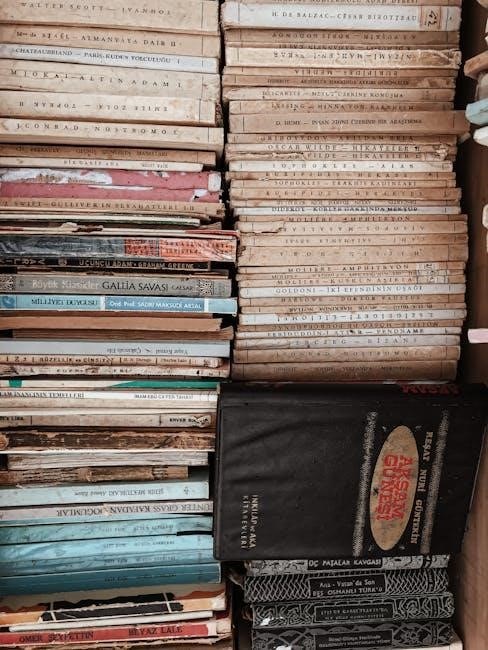
Several Fowlers Vacola preserving books circulate‚ with varying editions and focuses. Early editions‚ dating back to the mid-20th century‚ often emphasize wartime austerity and resourceful home food production. Later editions incorporate more modern recipes and techniques‚ alongside the classic methods. “The Complete Book of Home Preserving” is a frequently found title‚ available in multiple printings and sometimes as a PDF.
Look for editions specifically detailing Fowlers Vacola jar usage‚ as the system differs from standard canning. Vintage copies offer historical context‚ while newer versions may include updated safety guidelines. Availability fluctuates; online marketplaces often feature both original books and digitized PDF versions‚ catering to diverse collector and preserver needs.
Essential Preserving Techniques with Fowlers Vacola
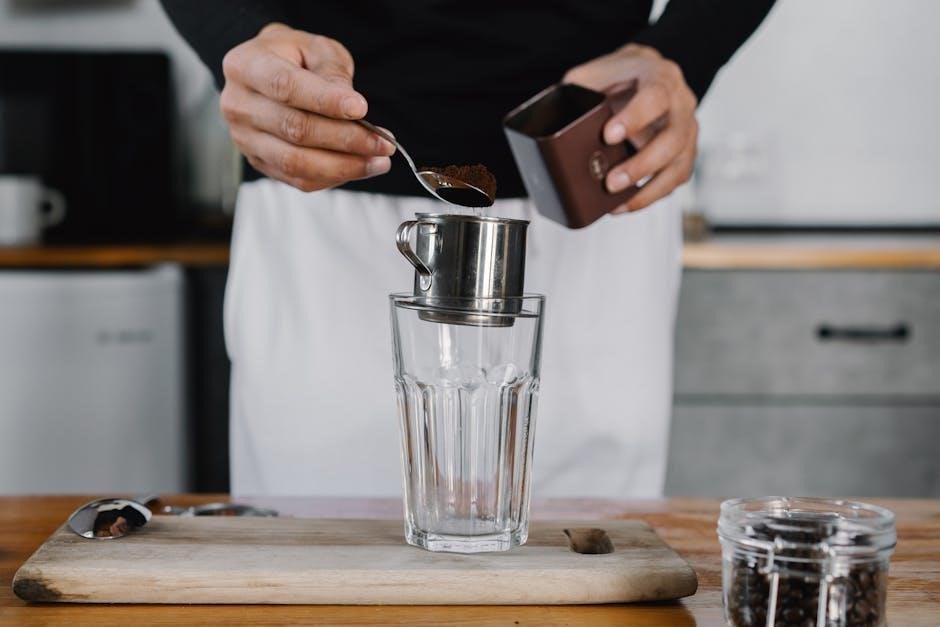
Fowlers Vacola techniques involve preparing produce‚ crafting jams and pickles‚ and bottling fruits in syrup—skills detailed in numerous preserving books and PDF guides.
Preparing Fruits and Vegetables
Fowlers Vacola preserving relies heavily on proper fruit and vegetable preparation‚ a process thoroughly explained in vintage and modern PDF guides. Fruits should be selected at peak ripeness‚ washed meticulously‚ and any damaged portions removed. Peeling‚ coring‚ or pitting are often necessary steps‚ depending on the chosen recipe.
Vegetables require similar attention‚ with thorough washing and trimming crucial for quality. Some vegetables benefit from blanching – a brief immersion in boiling water – to halt enzyme activity and preserve color and texture. Fowlers Vacola books emphasize the importance of using only high-quality produce‚ as the final product’s flavor and safety depend on the initial ingredients. Detailed instructions within these PDF resources guide users through each preparation stage‚ ensuring optimal results for long-term storage.
Making Jams‚ Jellies‚ and Preserves
Fowlers Vacola preserving books‚ readily available as PDF downloads‚ dedicate significant sections to crafting jams‚ jellies‚ and preserves. These guides detail precise sugar-to-fruit ratios‚ crucial for achieving the correct setting point and preventing spoilage. Recipes range from classic strawberry jam to more adventurous combinations‚ often including spices or citrus zest.
Jelly making‚ requiring clear juice extraction‚ is explained step-by-step‚ while preserve recipes emphasize fruit pieces suspended in a clear‚ thickened syrup. PDF versions of Fowlers Vacola books often include troubleshooting tips for common issues like runny jam or crystallization. Mastering these techniques‚ as outlined in the resources‚ allows for delicious‚ shelf-stable treats‚ capturing seasonal flavors for enjoyment year-round.
Pickling and Chutney Recipes
Fowlers Vacola preserving books‚ frequently found as PDF downloads‚ showcase a diverse array of pickling and chutney recipes. These sections emphasize the importance of vinegar strength and spice blends for both flavor and preservation. Recipes range from traditional pickled onions and cucumbers to more complex chutneys featuring fruits like mango or apple‚ combined with warming spices.
PDF versions often detail specific processing times for different vegetables and fruit combinations‚ ensuring food safety. The guides explain how to achieve the desired texture – crisp pickles versus softer‚ relished varieties. Fowlers Vacola resources highlight the benefits of using the vacuum sealing method for long-term storage‚ maintaining vibrant flavors and colors throughout the year.

Bottling Fruits in Syrup
Fowlers Vacola preserving books‚ readily available as PDF documents‚ dedicate significant sections to bottling fruits in syrup‚ a classic method for enjoying seasonal produce year-round. These guides detail syrup ratios – light‚ medium‚ and heavy – based on the fruit’s natural sweetness. PDF versions provide instructions for preparing various fruits like peaches‚ pears‚ and plums‚ emphasizing the importance of removing stones and skins for optimal texture.
The resources explain how the vacuum sealing process inherent in the Fowlers Vacola system prevents spoilage and maintains the fruit’s color and shape. Detailed processing times are included‚ ensuring safe and delicious results. Many books also offer variations‚ like adding spices or lemon juice to enhance the flavor profiles.

Step-by-Step Guide to Using Fowlers Vacola
Fowlers Vacola PDF guides meticulously detail each stage: sterilization‚ jar filling‚ lid application‚ processing times‚ and crucial seal-checking for food safety.
Sterilizing Jars and Equipment
Fowlers Vacola PDF guides consistently emphasize thorough sterilization as paramount for safe preserving. Jars and lids must be meticulously cleaned‚ removing all traces of residue. Traditionally‚ this involved boiling jars in water for ten minutes‚ ensuring complete submersion.
Modern adaptations‚ detailed in some PDF versions‚ suggest dishwasher sterilization on a hot cycle‚ or oven sterilization at low temperatures. Crucially‚ the books stress that rubber rings and clips should not be boiled‚ as this degrades the rubber.
Equipment like funnels and ladles also require sterilization‚ typically by immersion in boiling water. The Fowlers Vacola method relies on creating a vacuum seal‚ and any contamination can compromise this‚ leading to spoilage. Following the book’s instructions precisely is vital.
Filling Jars and Applying Lids
Fowlers Vacola PDF guides meticulously detail the filling process‚ emphasizing leaving adequate headspace – typically around 1cm – to allow for expansion during processing. Hot food should be filled into hot‚ sterilized jars using a sterilized funnel to prevent contamination.
The books clearly illustrate the correct placement of the rubber ring onto the jar rim‚ ensuring it sits flush and evenly. Then‚ the lid is positioned‚ followed by the ring and clips.
Consistent pressure from the clips is crucial for a proper seal; PDF versions often include diagrams showing correct clip placement. Over-tightening isn’t necessary‚ but even distribution is key. The Fowlers Vacola system relies on this precise assembly for effective vacuum sealing.
The Processing Time and Temperature
Fowlers Vacola PDF manuals provide detailed processing charts‚ crucial for safe preservation. Times vary significantly based on jar size‚ food type‚ and altitude. Generally‚ processing involves submerging filled jars in boiling water‚ maintaining a consistent temperature throughout.
Older books may specify processing times in hours‚ while modern guides often use minutes. The PDFs emphasize the importance of adhering to recommended times to eliminate harmful bacteria and ensure a proper vacuum seal.
Insufficient processing can lead to spoilage‚ while over-processing can affect texture and flavor. Charts within the Fowlers Vacola guides offer precise instructions for various fruits‚ vegetables‚ jams‚ and pickles.
Checking the Seal: Ensuring Food Safety
Fowlers Vacola PDF guides consistently stress the importance of verifying a proper seal after processing. A successful seal indicates a vacuum has formed‚ preventing spoilage and ensuring food safety. The central disc on the lid should be concave‚ pulled downwards‚ and firmly secured.
Books detail a “tap test” – a clear‚ high-pitched sound when tapping the lid signifies a good seal. Conversely‚ a dull thud suggests a compromised seal. Any jars failing the seal check must be refrigerated and consumed immediately‚ or reprocessed with new lids.
PDF resources warn against storing unsealed jars at room temperature‚ as this can lead to botulism. Careful inspection‚ as outlined in the Fowlers Vacola manuals‚ is paramount for safe home preserving.

Troubleshooting Common Issues
Fowlers Vacola PDF guides address issues like failed seals‚ mold‚ and rust‚ offering solutions for safe preserving and equipment maintenance.
Why Jars Don’t Seal
Fowlers Vacola PDF manuals frequently dedicate sections to diagnosing sealing failures‚ a common frustration for home preservers. Several factors can contribute to this issue. A chipped jar rim prevents a proper airtight closure‚ as does any debris obstructing the sealing surface.
Insufficient processing time or incorrect temperatures are primary culprits; the contents may not reach a temperature high enough to create a sufficient vacuum. Improperly adjusted lids and rings‚ or damaged rubber rings‚ also hinder sealing.
Furthermore‚ the PDF guides emphasize the importance of correct filling levels – too little or too much can disrupt the vacuum formation. Finally‚ altitude adjustments are crucial‚ as boiling points decrease at higher elevations‚ requiring extended processing times. Consulting the book’s charts is vital.
Dealing with Mold and Spoilage
Fowlers Vacola PDF guides strongly emphasize food safety‚ dedicating sections to identifying and handling spoilage. Mold growth‚ even on the surface‚ indicates contamination and necessitates discarding the entire jar’s contents – never attempt to salvage it.
Cloudiness or unusual odors are also warning signs. The book stresses the importance of checking seals immediately after processing and again before consumption. Bulging lids signify gas production‚ indicating potential botulism‚ a serious health risk.
Proper sterilization‚ as detailed in the PDF‚ is paramount in preventing spoilage. If a jar fails to seal‚ refrigeration and prompt consumption are advised. Always follow the preserving book’s guidelines meticulously to minimize risks.
Rust Prevention on Jars and Lids
Fowlers Vacola PDF manuals consistently highlight the importance of rust prevention for longevity of equipment. After each use‚ jars and lids should be thoroughly washed with hot‚ soapy water and completely dried before storage. Avoid abrasive cleaners that can damage the protective coating.
The preserving book recommends a light coating of food-grade mineral oil on metal parts during long-term storage to create a barrier against moisture. Inspect lids and rings regularly for any signs of rust; replace any corroded components immediately.
Proper drying and occasional oiling‚ as detailed in the PDF‚ will significantly extend the life of your Fowlers Vacola set‚ ensuring years of successful preserving.
Maintaining Your Fowlers Vacola Equipment
Fowlers Vacola PDF guides emphasize regular maintenance for optimal performance. After each preserving season‚ a thorough cleaning is crucial; disassemble all components and wash them in hot‚ soapy water. Inspect rubber seals for cracks or damage‚ replacing them as needed – instructions are often found within the book.
The manuals advise against using harsh chemicals‚ opting instead for gentle cleaning methods. Store the equipment in a dry‚ well-ventilated area to prevent rust and mildew. Periodically check the clips for proper tension and replace any that are worn.
Following these guidelines‚ detailed in the PDF‚ ensures your Fowlers Vacola set remains in excellent condition for generations of preserving.
Resources and Further Information
Fowlers’ website provides support‚ while online forums connect preserving enthusiasts. Numerous PDF versions of vintage Fowlers Vacola books are readily available online.
Fowlers Website and Support
Fowlers‚ a company steeped in preserving tradition since 1915‚ maintains an official website as a central hub for current product information and support. While directly offering PDF versions of historical Fowlers Vacola books isn’t their primary focus‚ the site provides valuable resources for modern preserving techniques utilizing their current jar systems.
Customers can find frequently asked questions addressing common issues‚ detailed product specifications‚ and contact information for direct assistance; The website also showcases a commitment to quality and the continuation of preserving knowledge passed down through generations. Though older manuals aren’t hosted‚ the site often links to relevant online communities and forums where enthusiasts share digitized copies of vintage Fowlers Vacola books and discuss traditional methods.
Exploring these external links can be a fruitful path to locating the specific PDF you seek‚ alongside benefiting from the collective experience of fellow preservers.
Online Forums and Communities
Numerous online forums and dedicated communities serve as invaluable resources for locating Fowlers Vacola preserving book PDF copies and sharing preserving expertise. These platforms often host digitized versions of vintage manuals‚ scanned from personal collections and freely exchanged among members.
Enthusiasts actively discuss techniques‚ troubleshoot issues‚ and offer advice on sourcing older equipment‚ including specific editions of the Fowlers Vacola books. Searching within these communities using keywords like “Vacola PDF‚” “preserving book‚” or “vintage manual” frequently yields positive results.
Beyond PDF sharing‚ these forums provide a space to connect with experienced preservers‚ ask questions‚ and learn from a wealth of collective knowledge‚ enhancing your Fowlers Vacola journey.
Related Books on Home Preserving
While seeking a Fowlers Vacola preserving book PDF‚ exploring broader home preserving literature can significantly enhance your skills. “The Complete Book of Home Preserving” is a frequently cited resource‚ often available for free PDF download‚ covering diverse techniques beyond Vacola methods.
Ball Blue Book Guide to Preserving is another popular choice‚ offering detailed instructions and tested recipes for jams‚ jellies‚ pickles‚ and more. These books complement the Fowlers Vacola system by providing a wider understanding of food safety and preservation principles.
Vintage cookbooks‚ predating modern methods‚ often contain valuable insights into traditional preserving practices‚ enriching your knowledge alongside your Vacola manual.
Modern Adaptations of Traditional Recipes
Many contemporary cooks are revisiting classic Fowlers Vacola recipes‚ adapting them for modern palates and dietary needs. While a Fowlers Vacola preserving book PDF provides the foundational techniques‚ online communities and blogs showcase innovative twists on traditional preserves.
These adaptations include reduced-sugar jams‚ spiced chutneys with global flavors‚ and pickled vegetables incorporating unique herbs and seasonings. The core Vacola method remains consistent – vacuum sealing for long-term preservation – but the recipes themselves evolve.
Experimenting with these modern takes allows you to enjoy the benefits of home preserving while catering to current tastes‚ building upon the legacy detailed in your Fowlers Vacola guide.
Leave a Reply
You must be logged in to post a comment.