
Electric egg makers offer a convenient and efficient way to prepare eggs, simplifying cooking and delivering consistent results every time.
These appliances are gaining popularity due to their ease of use and versatility, catering to various egg-cooking preferences.
What is an Electric Egg Maker?
Electric egg makers are countertop appliances designed specifically for cooking eggs, offering a streamlined alternative to traditional stovetop methods. They utilize steam to cook eggs to your desired consistency – soft, medium, or hard-boiled – and can even poach them.
These compact devices typically consist of a heating base, water reservoir, and egg tray, providing a simple and automated egg-cooking experience.
Benefits of Using an Egg Maker
Electric egg makers provide numerous advantages, including convenience, speed, and consistent results. They eliminate the guesswork of boiling eggs, preventing overcooking or undercooking.
Furthermore, they often use less energy than stovetop methods and require minimal cleanup. Their compact size makes them ideal for small kitchens, offering a hassle-free way to enjoy perfectly cooked eggs.

Understanding Your Egg Maker Components
Electric egg makers typically include a base with a heating element, a water measuring cup, an egg tray, and a lid with a steam vent for optimal operation.
Base and Heating Element
The base houses the heating element, crucial for boiling water and cooking the eggs. It provides a stable foundation during operation and ensures even heat distribution.
Consistent power delivery from the heating element is vital for achieving desired egg consistencies. Always ensure the base is dry before use, and never immerse it in water for cleaning, as this could cause electrical hazards.
Water Measuring Cup
The water measuring cup, typically included with your egg maker, is essential for accurately determining the water level. Precise measurement is key to achieving your preferred egg doneness – soft, medium, or hard-boiled.
Refer to the appliance’s instructions for specific water level markings corresponding to different cooking styles. Using the correct amount of water prevents under or overcooking.
Egg Tray and Poaching Tray
The egg tray securely holds the eggs during the cooking process, ensuring even heat distribution. Some models include a separate poaching tray, designed with indentations to gently cook eggs without shells.
Ensure the tray is properly seated within the egg maker before adding water and power. The poaching tray allows for perfectly formed, delicate poached eggs with minimal effort.
Lid and Steam Vent
The lid is crucial for trapping steam, creating the necessary environment for cooking eggs. It often features a steam vent to release excess pressure during operation, preventing potential hazards.
Always ensure the lid is securely in place before starting the egg maker. Never attempt to open the lid while steam is escaping, as this could cause burns.
Setting Up Your Egg Maker
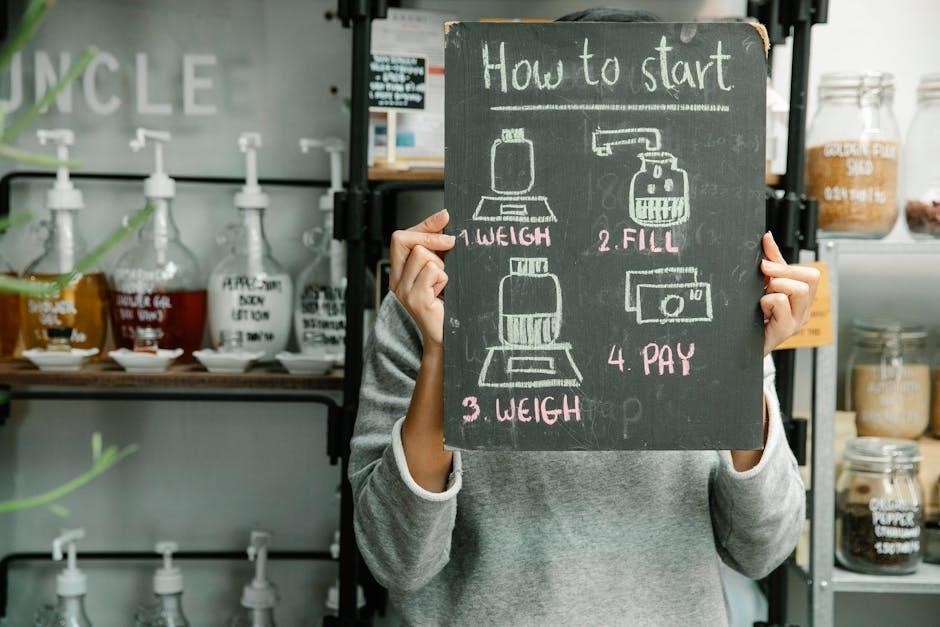
Proper setup involves carefully filling the base with the correct water amount, securely placing eggs onto the tray, and selecting your desired cooking level.
Filling with Water
Accurate water measurement is crucial for perfect eggs! Utilize the provided measuring cup to add water to the egg maker’s base, following the guidelines for your preferred cooking style.
Different levels – soft, medium, or hard-boiled – require varying water amounts, clearly marked on the appliance or in the user manual. Avoid overfilling, as this can cause issues.
Placing the Eggs
Carefully position the eggs onto the egg tray, ensuring they are stable and not overcrowded. For poaching, use the designated poaching tray, if included with your model.
The number of eggs you can cook simultaneously depends on the capacity of your egg maker; consult the manual for specifics. Ensure proper contact with the heating element for even cooking.
Selecting the Cooking Level
Most egg makers feature settings for soft, medium, and hard-boiled eggs, often indicated by water level markings or a dial.
For poached eggs, follow the specific instructions for the poaching tray, usually involving a different water level. Refer to your appliance’s manual to understand the correlation between settings and desired egg doneness.
Cooking Eggs: Different Styles
Electric egg makers excel at creating various egg styles, from perfectly soft-boiled to firm hard-boiled, and delicately poached eggs with minimal effort.
Soft Boiled Eggs
For soft boiled eggs, fill your egg maker with the designated water level for this style – typically marked on the device. Place eggs securely in the tray and switch it on.
The appliance will automatically shut off when ready, yielding eggs with a runny yolk and set whites, perfect for dipping soldiers. Enjoy this classic breakfast treat!
Medium Boiled Eggs
To achieve medium boiled eggs, add water to the egg maker according to the level indicated for medium consistency. Carefully position the eggs within the provided tray, ensuring even heating.
Activate the device, and it will automatically cease operation when the eggs reach the desired firmness – a yolk that’s slightly soft in the center, ideal for salads.
Hard Boiled Eggs
For perfectly hard-boiled eggs, fill your electric egg maker with the water level designated for ‘hard’ on the measuring cup; Place the eggs securely in the egg tray, ensuring they are evenly distributed for consistent cooking.
Switch on the appliance; it will automatically switch off once the eggs are fully cooked, resulting in a firm yolk and white.
Poached Eggs
To poach eggs, utilize the poaching tray attachment, if included with your egg maker. Add water to the designated ‘poach’ line on the measuring cup and place the tray inside. Gently crack each egg into the individual poaching wells.
Activate the appliance, and it will gently cook the eggs, creating tender whites and runny yolks.

Using Attachments (If Applicable)
Many egg makers include attachments for expanded functionality, such as whisks for scrambling or trays for omelets, enhancing cooking versatility.
Whisk Attachment for Scrambled Eggs
Utilizing the whisk attachment transforms your egg maker into a convenient scrambled egg station. Begin with the first speed setting, gradually increasing it until you achieve your desired consistency.
This attachment is ideally suited for whipping eggs efficiently, ensuring a light and fluffy texture. Remember to consult your appliance’s manual for specific guidance and optimal results when using this feature.
Omelette Tray Usage
Some egg makers include an omelette tray, expanding their functionality beyond boiled and poached eggs. This tray accommodates various dishes like egg beaters and cups, without impacting the cooking process.
Carefully pour your prepared egg mixture into the tray before starting the cooking cycle. Always refer to your manufacturer’s manual for specific instructions regarding water levels and cooking times for optimal omelette preparation.

Safety Precautions
Always prioritize safety when using your electric egg maker; avoid overfilling with water and exercise caution when handling hot steam to prevent burns.
Avoiding Overfilling
Carefully observe the maximum water level indicated on your egg maker. Overfilling can cause boiling water to splash out during operation, presenting a scalding hazard.
Use the provided measuring cup to ensure accurate water amounts, corresponding to your desired egg consistency.
Exceeding the fill line may also damage the appliance’s internal components, potentially voiding the warranty and creating a safety risk.
Handling Hot Steam
Exercise extreme caution when opening the lid after cooking, as significant amounts of hot steam will be released.
Direct the steam away from your face and hands to prevent burns. Utilize oven mitts or a towel for added protection when handling the lid and surrounding areas.
Allow the steam to dissipate naturally before reaching inside the egg maker to retrieve the cooked eggs.
Electrical Safety
Always ensure the egg maker is unplugged from the power outlet before cleaning or performing any maintenance;
Never immerse the base unit, cord, or plug in water or any other liquid to prevent electric shock. Inspect the cord regularly for damage, and discontinue use if frayed.
Refer to the manufacturer’s manual for specific electrical safety guidelines.

Cleaning and Maintenance
Regular cleaning ensures optimal performance and longevity of your egg maker. Disassemble components after each use, wash thoroughly, and store properly.
Disassembling the Egg Maker
Before cleaning, always unplug your electric egg maker and allow it to cool completely. Gently remove the egg tray and any attachments, like the whisk or omelette tray. The water reservoir is usually a separate component that can be lifted out.
Carefully detach the lid, noting how it aligns with the base for easy reassembly. Proper disassembly prevents damage and ensures thorough cleaning of all parts.
Washing Components
Wash all removable parts – egg tray, lid, water cup, and attachments – with warm, soapy water. Avoid abrasive cleaners or scouring pads, as these can damage the surfaces. Rinse thoroughly under running water to remove all soap residue.
Pay special attention to cleaning the poaching tray and whisk attachment to prevent egg residue buildup. Ensure complete cleanliness for hygienic use.
Drying and Storage
Thoroughly dry all components before reassembling or storing the egg maker. Allow parts to air dry completely, or use a soft cloth. Proper drying prevents mildew and ensures longevity.
Store the egg maker in a cool, dry place. Keep the lid slightly ajar to prevent odors. Avoid stacking heavy items on top, which could cause damage.
Troubleshooting Common Issues
Addressing problems like the egg maker not turning on, improper cooking, or excessive steam leakage ensures optimal performance and extends the appliance’s lifespan.
Egg Maker Not Turning On
If your egg maker fails to power on, first verify the power cord is securely plugged into a functioning outlet. Check the outlet itself with another device to confirm it’s delivering power.
Ensure the egg maker’s base is properly seated and that there are no visible signs of damage to the cord or appliance. Consult the user manual for specific reset instructions, if available.
Eggs Not Cooking Properly
If eggs aren’t cooking as expected, double-check the water level corresponds to your desired cooking style – too little or too much water impacts results.
Verify you’ve selected the correct cooking setting on the appliance. Consider egg temperature; colder eggs may require slightly longer cooking times. Refer to the manual for guidance.
Steam Leaking Excessively
Excessive steam leakage is often normal during operation, but significant leakage could indicate an issue with the lid seal. Ensure the lid is securely fastened onto the base before starting.
Inspect the steam vent for any blockages; a clear vent is crucial for safe and efficient operation. Avoid obstructing the steam release during the cooking process.
Advanced Techniques & Recipes
Explore flavour infusions by adding herbs or spices to the water, and create delightful egg bites or mini quiches using your egg maker!
Flavour Infusions
Elevate your egg game by introducing aromatic flavour infusions directly into the cooking process! Simply add fresh herbs like dill or thyme, spices such as paprika or garlic powder, or even a dash of soy sauce to the water chamber before starting.
These additions subtly permeate the eggs, creating a more complex and delicious taste experience. Experiment with different combinations to discover your favourite flavour profiles – the possibilities are endless!
Egg Bites & Mini Quiches
Expand your egg maker’s capabilities beyond traditional boiled or poached eggs! Utilize silicone molds designed to fit inside the cooker to create delightful egg bites or mini quiches.
Combine whisked eggs with your favourite fillings – cheese, vegetables, cooked meats – and steam to perfection. These bite-sized treats are perfect for breakfast, snacks, or appetizers, offering a versatile and flavourful option.
Egg Maker Comparisons
Various brands and models exist, differing in features like capacity, cooking settings, and included attachments. Consider your needs when selecting an egg maker.
Different Brands and Models
Numerous brands offer electric egg makers, including Vonshef, known for detailed instruction manuals. Models range from basic units focusing solely on boiling to more advanced options with poaching and omelet-making capabilities.
Consider features like automatic shut-off, adjustable cooking levels, and included accessories when comparing brands. Some models accommodate multiple eggs simultaneously, ideal for families.
Features to Consider
Essential features include adjustable water levels for precise cooking, and automatic shut-off for safety and convenience; Look for models with clear markings for soft, medium, and hard-boiled eggs.
Poaching trays and whisk attachments expand versatility. Consider capacity – how many eggs can be cooked at once? User-friendly controls and easy cleaning are also vital aspects to evaluate.

Beyond Eggs: Other Uses
Electric egg makers aren’t limited to eggs! They can effectively steam small vegetables or gently warm small dishes, offering surprising culinary flexibility.
Steaming Small Vegetables
Electric egg makers can delicately steam vegetables like broccoli florets, green beans, or asparagus tips. Add enough water to the base, place vegetables in the poaching tray, and select a short cooking cycle – similar to poaching eggs.
Monitor closely to prevent overcooking; vegetables steam quickly! This method retains nutrients and provides a healthy, convenient side dish.
Warming Small Dishes
Electric egg makers can gently warm small portions of food, like leftover sauces or baby food. Ensure the dish is heat-safe and fits within the egg maker’s capacity.
Add a small amount of water to the base and use a very short cooking cycle, checking frequently to avoid overheating. This offers a quick and convenient warming solution for single servings.
DIY Egg Carton Crafts
Egg cartons, often discarded, are surprisingly versatile craft materials! Create festive decorations like Christmas trees or adorable Easter chicks with simple tutorials.
Christmas Tree Tutorial
Transform humble egg cartons into a charming Christmas tree! This kid-friendly craft involves cutting and shaping carton segments to resemble pine needles, then layering them onto a cone base.
Paint the “tree” green and decorate with glitter, beads, or small ornaments for a personalized touch. It’s a fantastic way to recycle and create festive holiday décor!
Easter Chick Sewing Pattern
Create adorable Easter chicks with this beginner-friendly sewing pattern! Using felt and simple embroidery, you can craft charming decorations or gifts. The pattern includes instructions for both the chick’s body and a beautifully embroidered Easter egg.
It’s a delightful hand-sewing project perfect for adding a handmade touch to your springtime celebrations.
EV Egg Bot ⎼ A Robotic Egg Decorator
The EV Egg Bot is a fascinating robotic creation designed for decorating eggs, built using LEGO Mindstorms EV3 components – a 143-piece custom model!
Building the EV Egg Bot
Constructing the EV Egg Bot involves assembling a robotic arm capable of precisely drawing patterns onto eggshells. This project utilizes the LEGO Mindstorms EV3 set (31313) as its foundation, requiring careful adherence to detailed building instructions.
Jason Allemann designed this custom model, providing a unique and engaging robotics experience. Patience and attention to detail are crucial for successful assembly and operation.
Parts Required
Assembling the EV Egg Bot necessitates 143 individual pieces, primarily sourced from the LEGO Mindstorms EV3 set (31313). Key components include beams, axles, connectors, and motors to create the robotic arm’s structure and movement.
Additional elements like a pen holder and gearing mechanisms are essential for precise egg decoration. A complete parts list is available with the custom model design.
Resources and Further Information
For detailed guidance, consult the manufacturer’s manual or vendor instructions. Online communities and forums offer valuable tips and support for egg maker users.
Manufacturer’s Manuals
Your egg maker’s manual is the primary source for safe and effective operation. It contains specific instructions tailored to your model, including detailed cooking guides for various egg styles.
Always review warnings regarding electrical safety and proper usage. The Vonshef manual, for example, provides crucial details on boiling and poaching techniques, ensuring optimal performance and longevity of your appliance.
Online Communities and Forums
Engage with fellow egg maker enthusiasts in online communities to share tips, recipes, and troubleshooting advice. These forums offer a wealth of practical knowledge beyond the manufacturer’s manual.
Discover innovative techniques, like flavour infusions, and learn how others address common issues, such as steam leaks or uneven cooking. Collective experience enhances your egg-cooking journey!
Leave a Reply
You must be logged in to post a comment.